
Can You Overdose on Cannabis? Understanding Safe Usage
With rising interest in the therapeutic applications for medicinal cannabis, it's critical to understand how to use cannabis safely, effectively, and in a way that supports your individual health needs.
While medical cannabis is widely regarded as having a strong safety profile when used appropriately, new patients ask lots of questions around dosage, tolerance, and overconsumption. Can you take too much? What does that feel like? And how can you avoid unpleasant side effects?
At Essence Dispensary, patient safety and education are at the centre of everything we do. This blog article is designed to help you understand cannabis safe usage, recognise signs of overconsumption, and make informed choices with the support of qualified professionals.
Understanding cannabis safe usage

Cannabis safe usage refers to consuming cannabis products in a way that minimises unwanted effects while maximising therapeutic benefit. In a medical and wellness context, this means using prescribed products at the correct dose, via appropriate methods, and with an understanding of how your body responds. And with the distinction between
Several factors influence what “safe” looks like for people:
-
Dosage and potency
THC (tetrahydrocannabinol) and CBD (cannabidiol) concentrations vary widely between products.
-
Consumption method
Medical cannabis in different forms e.g. oils, capsules, flower, and vaporised products.
-
Individual health factors
Like body weight, metabolism, medical history, and current medications affect how your body will uptake the medical cannabis.
-
Tolerance and experience
New patients often require much lower doses than experienced users as the body adapts its physiological processes to the medicine over time.
It's important to distinguish between therapeutic use and recreational use. Medicinal cannabis is prescribed for specific clinical purposes, with carefully selected formulations and dosing instructions. Whereas recreational use often prioritises stronger psychoactive effects, which can increase the likelihood of overconsumption.
To find out if you might be eligible for medical cannabis treatment, complete our quick and obligation-free questionnaire click here.
What happens if you take too much cannabis?
-
The term “overdose” can be misleading when it comes to medical cannabis. Unlike other substances such as opioids, fatal overdose cases can happen due to opioids strongly suppressing respiratory function, which can lead to fatal apnea. The Therapeutic Drugs Administration (TGA) advises that medicinal cannabis is generally considered to have low acute toxicity. However, risks may increase when cannabis is used alongside other medications or substances, as these can mask its effects. In rare cases, serious adverse reactions, including cardiovascular effects, may be under-recognised.
Research suggests that extremely large amounts of THC would be required to reach toxic levels. In animal studies, the estimated lethal dose of THC is greater than 800 mg per kilogram of body weight, far beyond typical therapeutic use. CBD appears to have very low toxicity, with studies showing that even very high doses have been tolerated safely in humans. However, taking too much—particularly THC—can still result in highly uncomfortable and distressing symptoms. -
Common effects of cannabis overconsumption include:
- anxiety or panic
- paranoia or racing thoughts
- dizziness or light-headedness
- nausea or vomiting
- increased heart rate
- drowsiness or confusion.
While these effects aren’t life-threatening, they can feel intense, especially for first-time users or those with low tolerance. Symptoms usually resolve on their own with time, rest, and hydration.
Check out some of the most frequently asked questions by our patients click here.
Recognising the signs of overconsumption
Overconsumption can look different for each patient. Mild symptoms may include dry mouth, fatigue, or feeling “too high,” while more severe reactions can involve panic attacks, nausea, or difficulty concentrating.
Individual variability is about your biology, genetics, environment, and behavioural responses. Individual variability plays a major role in how you recognise the signs of overconsumption. Factors such as stress levels, sleep, food intake, and even environment can influence how cannabis affects you. This is why professional guidance and gradual dose increases (known as titration) are so important; particularly when trying a new medical cannabis product or delivery method. Check out our article about how to create a wellness routine with medical cannabis.
Cannabis oil usage: how much is too much?
Cannabis oils are a popular option for medicinal patients due to their precision, discretion, and longer-lasting effects. However, cannabis oil usage can make it easier to overconsume if dosing instructions aren’t followed carefully.
Cannabis oils vary significantly in:
-
THC and CBD concentration.
-
THC and CBD concentration.
-
THC and CBD concentration.
Because cannabis oils are absorbed more slowly than inhaled products, effects can take 1–3 hours to fully appear. Taking additional doses too soon is one of the most common causes of overconsumption. Best practice is to start low and go slow:
-
Begin with the lowest recommended dose.
-
Wait the full onset period before increasing.
-
Make gradual adjustments over several days.
At Essence Dispensary, our pharmacists work closely with patients to explain oil dosing clearly and adjust recommendations based on individual response and tolerance.
Best practices for safe cannabis usage
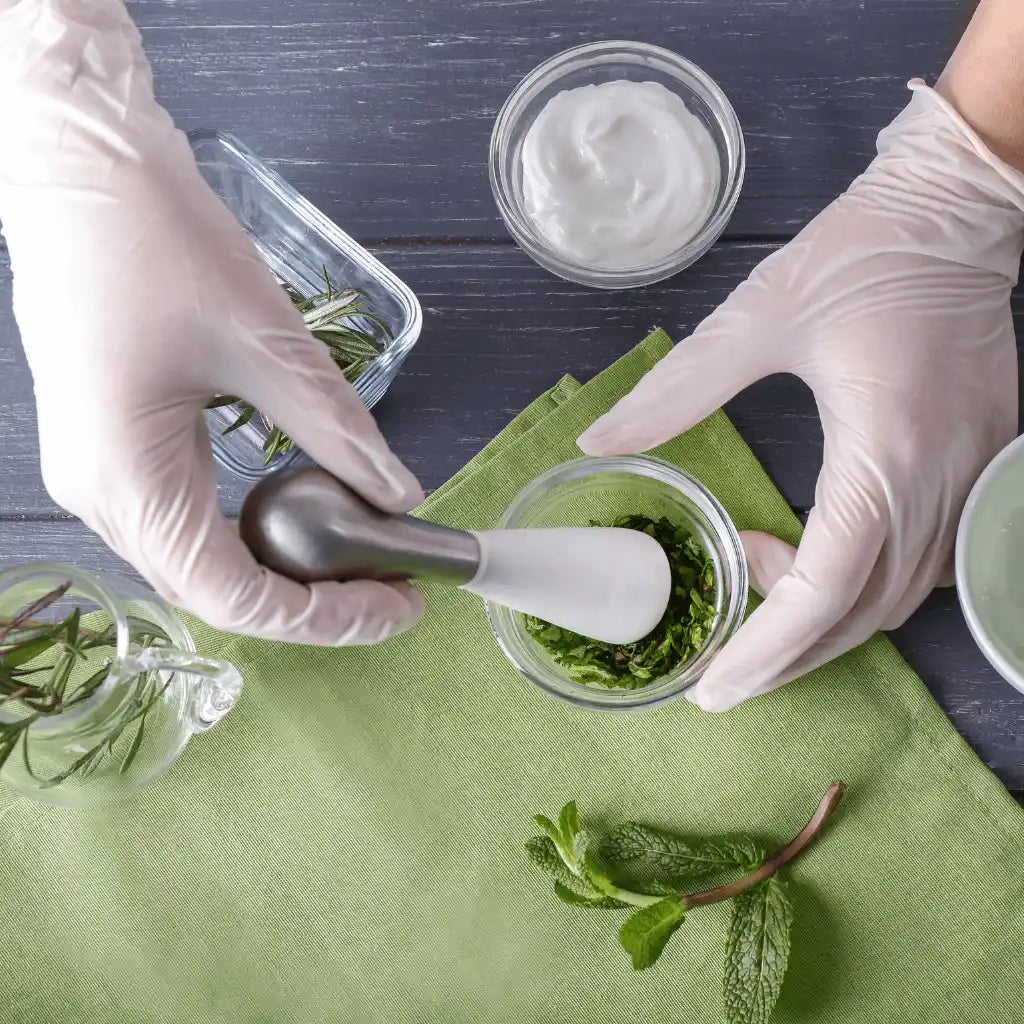
Safe cannabis use begins with understanding the differences between the medical cannabis products and using it correctly. Based on your condition/symptoms and individual needs, your healthcare practitioner will determine the right product for your treatment plan. Medical cannabis types include:
-
- Dried flowers are typically vaporised for faster onset and easier dose control.
- Oils and tinctures for longer-lasting effects, suitable for ongoing symptom management.
-
- Capsules/edibles offer prolonged relief and consistent dose delivery.
- Topical applications for localised relief and to target pain relief and inflammation while bypassing the bloodstream.
For inhaled products, dry herb vaporisers are strongly preferred over smoking. Vaporising heats cannabis to release active compounds without combustion (from a flame), reducing exposure to harmful by-products.
Patients sometimes need to choose between dry herb vaporisers and oil vape pens, which can be confusing to understand the key differences. Read our article to compare the differences: dry herb vs oil vape pens: which is best for medicinal cannabis? Getting professional and expert advice is essential, particularly when combining cannabis with other medications or managing complex health conditions. The Essence Dispensary team is always ready to help.
Safe vaporising techniques
A dry herb vaporiser is a device designed to heat whole cannabis flower (not oil or concentrate) to a specific temperature that releases cannabinoids and terpenes as vapour rather than smoke. Key safety tips include:
- Avoid combustion by keeping temperatures within recommended ranges.
- Start at lower temperatures and increase gradually.
- Clean devices regularly to maintain performance and hygiene.
Using quality devices and following manufacturer guidelines helps ensure a safer and more consistent experience.

CBD safety: what you should know
CBD is non-intoxicating and is generally well tolerated by most people. Compared to THC, CBD has a much lower risk of overconsumption and does not produce psychoactive effects. However, even CBD can give different responses to different patients, so professional advice is important.
In Australia, CBD products are regulated by the TGA, ensuring standards for quality, consistency, and labelling. Purchasing CBD through reputable, specialist pharmacies and dispensaries like Essence Dispensary ensures:
- Verified cannabinoid content.
- Compliance with Australian regulations.
- Professional guidance on dosing and interactions.
Cannabis consumer safety standards in Australia
Medicinal cannabis in Australia is tightly regulated under the TGA and the Office of Drug Control to protect patient safety. These standards cover everything from cultivation and manufacturing to prescribing and dispensing. Prescription-grade products must meet strict requirements for:
- Quality and consistency.
- Accurate labelling.
- Contaminant testing.
- Storage and handling.
By contrast, black-market cannabis carries significant risks, including unknown potency, contamination, and lack of dosage control.
Essence Dispensary supports patient safety by:
- Dispensing only TGA-compliant products.
- Providing pharmacist-led education.
- Supporting patients with ongoing consultation and follow-up.
- Educating patients on proper usage, storage, proper tool use, and mindset for the treatment plan.
Our commitment ensures patients can access medical cannabis with confidence and clarity.
Final thoughts: safe and responsible cannabis usage
Cannabis can be used safely and effectively when guided by accurate information and professional support. While taking too much cannabis is unlikely to cause serious harm, understanding dosage, product selection, and personal tolerance is key to avoiding uncomfortable experiences.
Whether you’re new to medicinal cannabis or refining your current treatment plan, ongoing consultation makes a meaningful difference. Click here to find out how to book a consult at Essence Dispensary.
For personalised advice, education, and support, contact the experienced team at Essence Dispensary where we support you on a natural path forward, together.